Two languages, one tiny brain
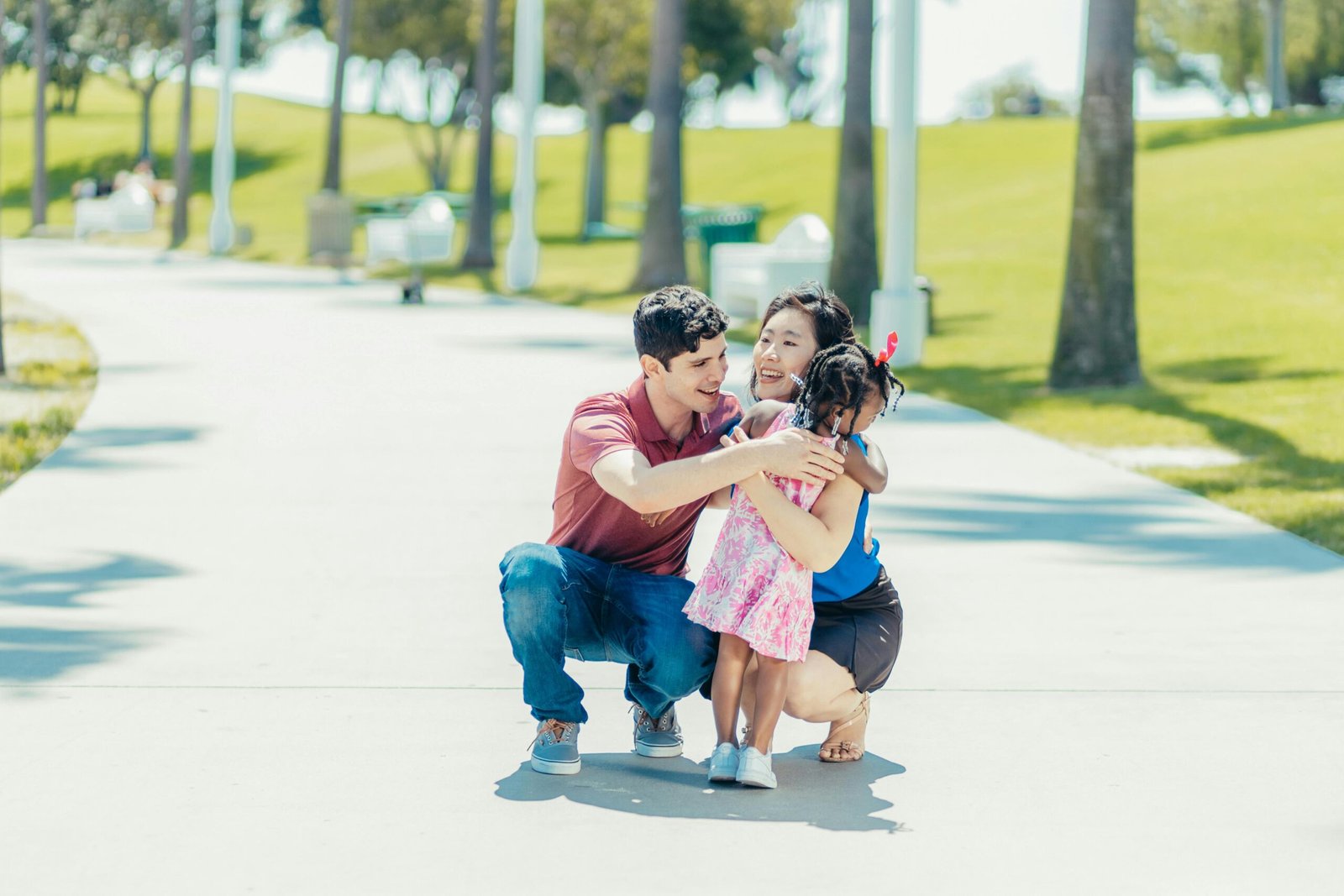
You don’t have to wait until preschool to teach your child a new language. Babies are natural sponges by the time they’re one, they’ve already tuned their ears to the sounds around them. In a multicultural place like South Florida, where Spanish, English, Haitian Creole, and Portuguese flow through daily life, raising a bilingual baby isn’t just possible it’s a gift.
Why start early?
- Brain boost → Research shows bilingual children often develop stronger problem-solving skills and mental flexibility.
- Cultural connection → Language ties kids to heritage and helps them navigate a diverse world.
- Confidence & empathy → Speaking more than one language builds social awareness and adaptability.
Simple ways to introduce a second language
- One parent, one language → Each parent consistently speaks one language (e.g., mom = Spanish, dad = English).
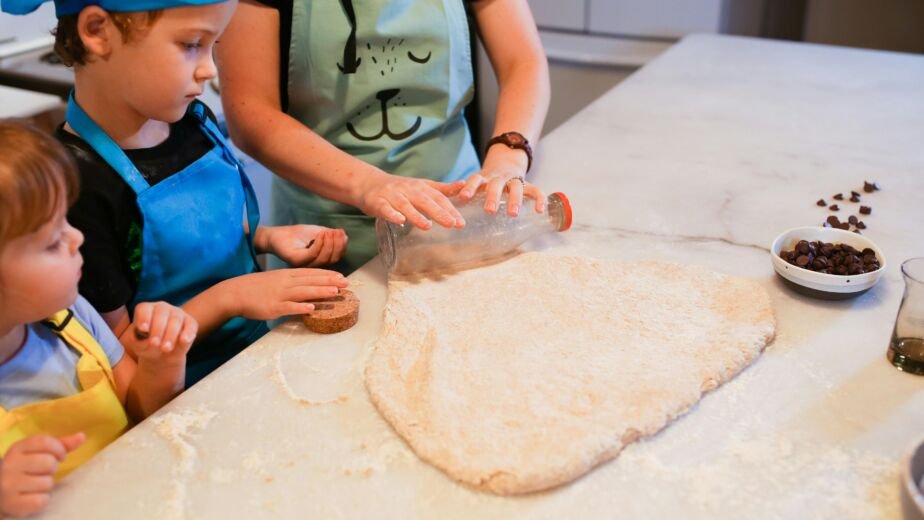
- Designated times → Make mealtimes or bedtime routines “second language only.”
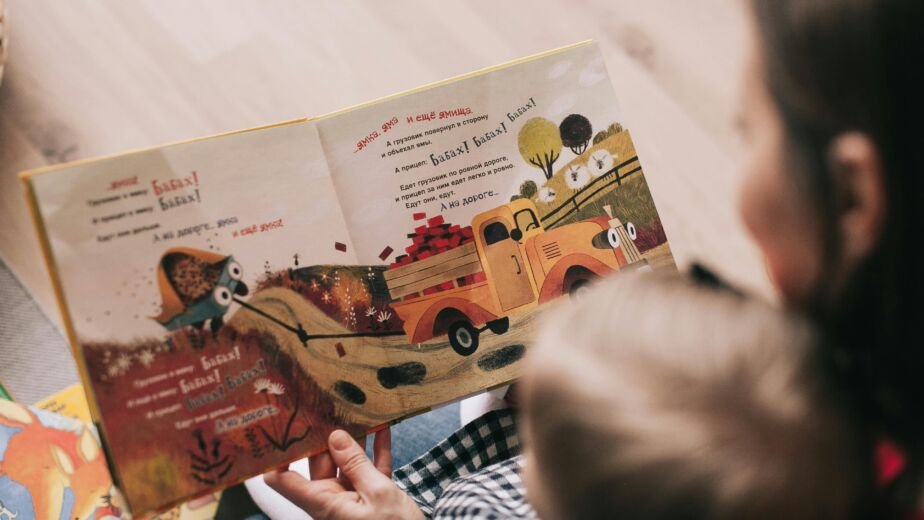
- Songs & stories → Nursery rhymes, lullabies, and bilingual storybooks are fun and effective.
- Community exposure → Enroll in bilingual playgroups or cultural classes in Miami, Broward, or Palm Beach.
Myths to let go of
- ❌ “It will confuse them.” → Kids can separate languages naturally.
- ❌ “They’ll talk later.” → Bilingual babies may mix words, but their language milestones are normal.
- ❌ “Only fluent parents can teach.” → Even learning alongside your child makes a big impact.